
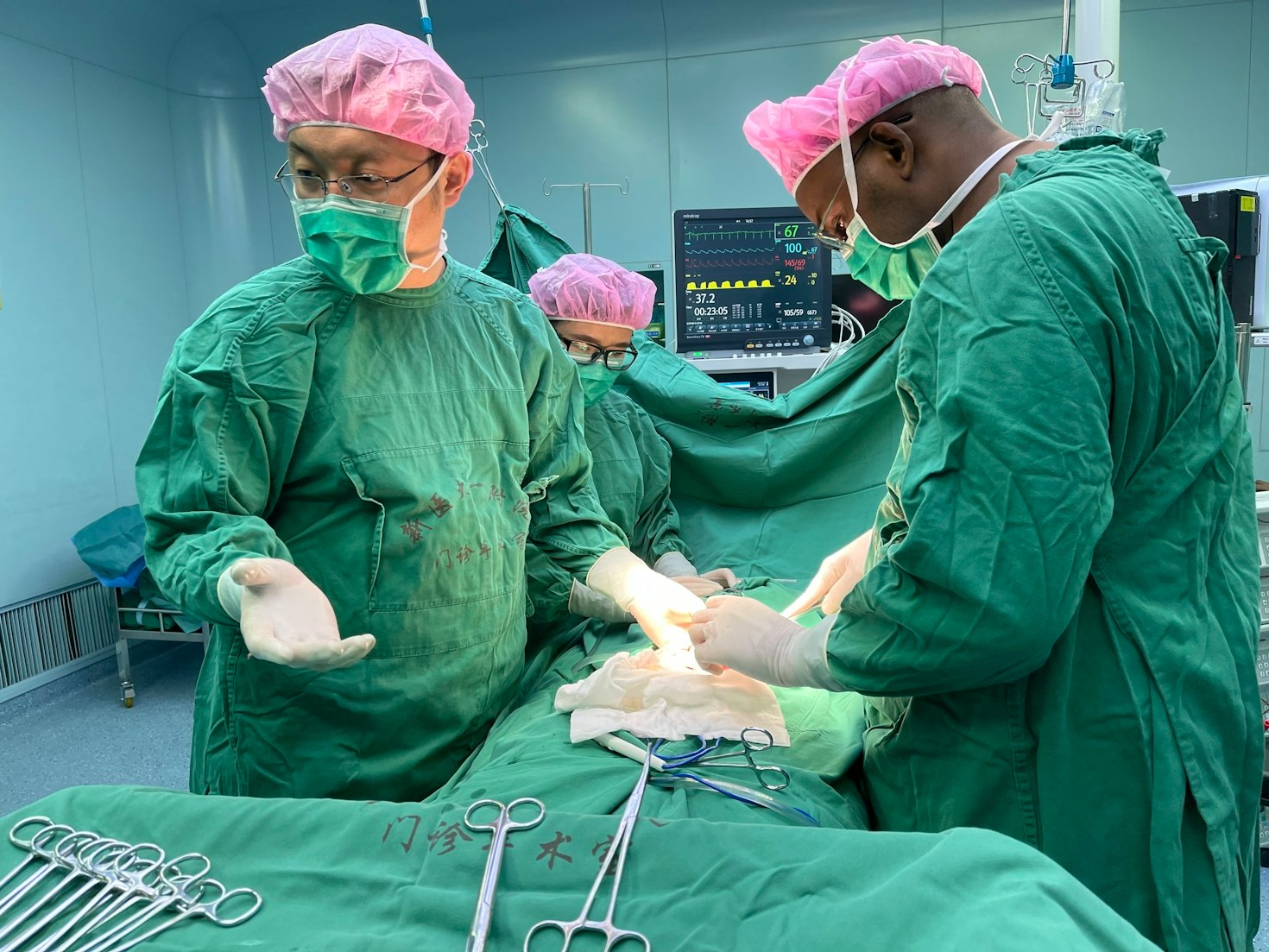
Choosing the right surgical mesh is a critical decision that directly impacts patient outcomes, surgical efficiency, and long-term repair success. With the growing variety of meshes available today—differing in material, structure, weight, and design—surgeons and healthcare providers must carefully evaluate their options. Understanding how surgical mesh functions, where it is used, and what distinguishes one type from another helps ensure safe, effective, and durable repair. This guide explains the key factors to consider when selecting surgical mesh and highlights how the right choice supports predictable clinical results.
“Sometimes, the simplest moments hold the deepest wisdom. Let your thoughts settle, and clarity will find you.”
Understanding Surgical Mesh Materials and Design
Surgical mesh is most commonly used to reinforce weakened tissue, particularly in hernia repair procedures. One of the most important considerations is material composition. Polypropylene surgical mesh remains the most widely used option due to its excellent tensile strength, long-term stability, and proven biocompatibility.
Beyond material, mesh structure plays a vital role. Macroporous meshes allow effective tissue ingrowth and fluid flow, reducing the risk of infection and supporting strong fixation. Lightweight meshes introduce less foreign material into the body, improving flexibility and patient comfort. Additionally, design variations—such as flat meshes, anatomical meshes, and mesh plugs—are developed to suit different surgical techniques and anatomical requirements.
Matching the Mesh to the Surgical Application
Selecting the correct surgical mesh requires aligning product characteristics with the clinical application. For example, inguinal and femoral hernia repairs often benefit from anatomical or pre-shaped meshes that conform precisely to natural anatomy, reducing folding and improving placement accuracy. Mesh plugs are frequently used in plug-and-patch techniques for secure defect closure, while flat meshes are commonly chosen for broader tissue reinforcement.
Surgeons must also consider whether a non-absorbable mesh is appropriate. Non-absorbable polypropylene meshes provide permanent reinforcement and are ideal for procedures requiring long-term structural support. However, mesh should never be implanted in contaminated or infected fields, and patient-specific factors—such as age and tissue condition—must always guide final selection.
Wrapping Up with Key Insights
Choosing the right surgical mesh involves more than selecting a product—it requires a clear understanding of material properties, mesh design, and procedural requirements. By evaluating factors such as biocompatibility, pore structure, tensile strength, and anatomical fit, healthcare professionals can make informed decisions that enhance surgical outcomes and patient safety. High-quality polypropylene surgical meshes, when selected correctly, offer reliable reinforcement, predictable healing, and long-term durability. Thoughtful selection ensures that every procedure is supported by the most appropriate solution.
Q1: What is the most common material used in surgical mesh?
Polypropylene is the most commonly used surgical mesh material due to its strength, durability, and biocompatibility.
Q2: How do I choose the right mesh for hernia repair?
Mesh selection depends on the hernia type, surgical technique, anatomical location, and whether permanent reinforcement is required.
Q3: What is the benefit of macroporous surgical mesh?
Macroporous mesh supports tissue ingrowth, improves healing, and reduces infection risk by allowing fluid flow.
Q4: Is surgical mesh always non-absorbable?
No. Surgical mesh can be absorbable or non-absorbable. Non-absorbable meshes are used when long-term support is needed.





Leave A Comment